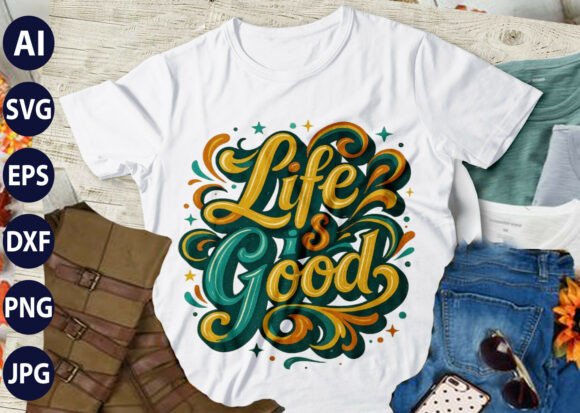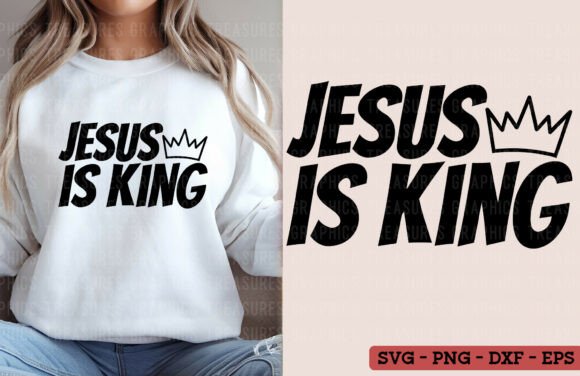
God Wins Religious Design: Christian SVG for T-Shirt Designs
A Brand Designer’s Real-World Review for Local Business Use
As a brand designer who’s developed visual systems for 17 local businesses—from a family-run bakery in Nashville to a women-led candle studio in Portland—I recently evaluated God Wins Religious Design, Christian SVG not as clipart, but as a functional graphic design asset for small business branding. My test case? A seasonal “Faith & Flour” line of artisanal shortbread cookies sold at a Christian-owned boutique café in Austin. The goal was cohesive packaging, social media graphics, and in-store promotional material—not just a t-shirt print.
First Impression: Warm, Confident, and Community-Focused
The God Wins Religious Design, Christian SVG immediately reads as uplifting without being preachy. It balances bold typographic confidence with gentle decorative elements—think subtle laurel accents, clean letter spacing, and a balanced weight that feels both modern and timeless. It leans into warmth and sincerity rather than austerity or trend-driven minimalism. For local businesses, that translates to approachability: it suits a handmade soap brand launching a “Grace Notes” collection, a florist designing Easter thank-you cards, or a children’s book publisher creating branded stickers for faith-based storytime kits. It reads as premium *and* personal—never mass-produced or generic.
Where This Graphic Design Asset Earns Its Keep
In real-world small business branding, God Wins Religious Design, Christian SVG shines where emotional resonance meets practical application:
- Product labels and packaging accents — Used as a foil-stamped emblem on kraft cookie boxes or embossed onto soy-wax candle lids, it adds quiet authority and spiritual intentionality without overwhelming the product.
- Hero graphics and seasonal campaign visuals — Scaled large for Instagram carousels or printed banners at church bazaars, it anchors messaging with clarity and calm conviction.
- Thank-you cards and printable inserts — Paired with soft serif typography and cream-colored paper stock, it elevates unboxing moments for online orders—turning transactional exchanges into meaningful touchpoints.
- Social media graphics and marketing visuals — Its clean vector structure holds up beautifully in Canva templates, Reels thumbnails, and Facebook event covers—even when resized or layered over textured backgrounds.
- Boutique visuals and in-store signage — Mounted on reclaimed wood or laser-cut from birch plywood, it becomes part of the shop’s tactile brand identity—not decoration, but declaration.
What It Does for Your Business Presentation
This isn’t just another digital product—it’s a strategic tool for building trust and cohesion. When applied thoughtfully, God Wins Religious Design, Christian SVG strengthens your brand identity by delivering:
- A stronger first impression—customers instantly recognize intention and values;
- Better product recognition across channels, especially when paired with consistent color palettes and supporting type;
- Clearer visual hierarchy on crowded shelves or busy social feeds—its balanced composition naturally draws the eye;
- More consistent brand identity across packaging, web design, and printed collateral;
- Improved customer trust, particularly among faith-aligned shoppers who value authenticity over aesthetic polish alone;
- More professional packaging—even on budget-friendly materials like recycled mailers or compostable pouches;
- Better shelf appeal in local markets, gift shops, and church bookstores;
- A stronger emotional connection—not through cliché, but through sincere, well-executed visual language;
- More polished marketing visuals that support storytelling, not distract from it.
Use With Intention—Not Everywhere
Like any strong graphic design asset, God Wins Religious Design, Christian SVG has natural limits. It’s less effective—and sometimes counterproductive—in contexts demanding neutrality, discretion, or extreme minimalism. Avoid using it:
- In formal corporate branding (e.g., legal services or financial advising where tone must remain strictly secular);
- On very small labels (under 0.75” height), where fine details blur or legibility suffers;
- Within crowded product packaging layouts already dense with ingredients, certifications, or regulatory text;
- Where legal information dominates (e.g., FDA-mandated food labels)—it shouldn’t compete with required copy;
- Against low-contrast backgrounds (e.g., light gray on off-white), which mute its impact and reduce accessibility;
- In luxury minimalist brands built on silence, space, and restraint—here, it risks feeling ornamental rather than essential.
Practical Brand Designer Notes You Can’t Skip
Before locking this into your brand system, run these checks—especially if you’re designing for client work or physical product sales:
- Test it on real packaging mockups—not just digital previews—to assess scale, proportion, and material interaction;
- Check black-and-white usage: does it retain strength and legibility without color?
- Preview it on small labels at actual print size—some SVG designs lose nuance when miniaturized;
- Test it with your full brand color palette, including secondary and accent tones;
- Compare it side-by-side with competitor packaging—does it stand out meaningfully, not just differently?
- Review print quality on your intended substrate (kraft paper, matte vinyl, cotton twill, etc.);
- Inspect PNG transparency and SVG vector editability—can you adjust stroke weight, spacing, or remove elements cleanly?
- Test it beside serif, sans serif, script, handwritten, and display fonts—does it harmonize or clash?
- Confirm you hold a valid commercial license. This is non-negotiable for small business branding, product mockups, or any physical product you sell.
Used with craft and context, God Wins Religious Design, Christian SVG transcends its origin as a t-shirt design. It becomes part of a local business’s voice—quietly confident, visually grounded, and deeply human. Whether you're printing it on tea towels for a home decor shop or animating it for a Lenten social media series, it works because it serves the brand—not the other way around.